Three train stations, a downtown built around a 1928 movie palace, and neighborhoods that run from Victorian to mid-century modern. Downers Grove gives you commuter access without giving up character.
At a glance
A commuter village built around three train stations and a genuinely walkable downtown, with Lyman Woods and the Morton Arboretum a few minutes away for the rest.
Main Street, Belmont and Fairview all sit inside the city, so a walkable commute is possible from far more of Downers Grove than most suburbs.
One of the first theaters in America built for sound, still operating downtown, and the anchor of a district that stays busy at night.
Victorians downtown, Sears kit houses, postwar ranches, and a notable cluster of mid-century modern homes — unusual variety for one city.
A 150-acre nature preserve inside the city, with the Morton Arboretum a few minutes north in Lisle.
Living here
The market runs in the Main Street station lot, the Tivoli anchors the block, and the shops and restaurants around them are all walkable — which is why the blocks nearest a platform hold their value.
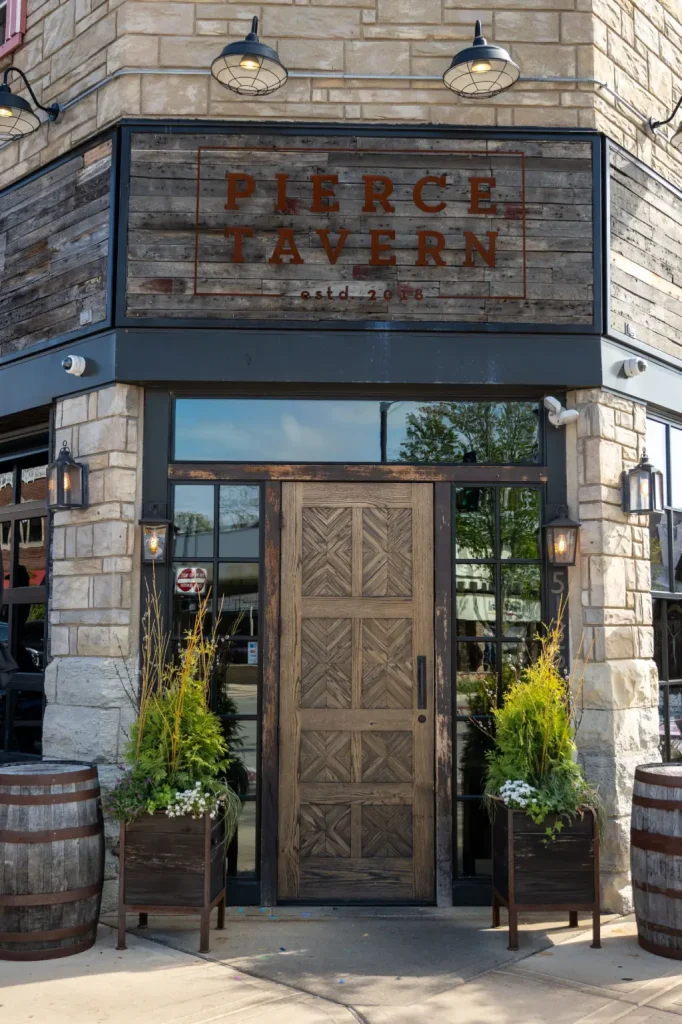
Restaurants, a farmers market, the theater and the main library all cluster within a few blocks of the Main Street platform.
Oak savanna, marsh and trails inside the city limits, with an interpretive center and school programs running through the year.
Connections to the regional trail network put long rides within reach without loading a car.
The downtown farmers market runs through the warm months and functions as the city's weekly social event.
Living here
Updated straight from the MLS. Filter by price, beds or neighborhood, and set an alert so you hear about a new listing the morning it goes live.
Neighborhoods
Downers Grove spreads across three train stations, and which one you live near shapes both the commute and the price. Here’s how we’d describe each pocket to someone who has never driven them.
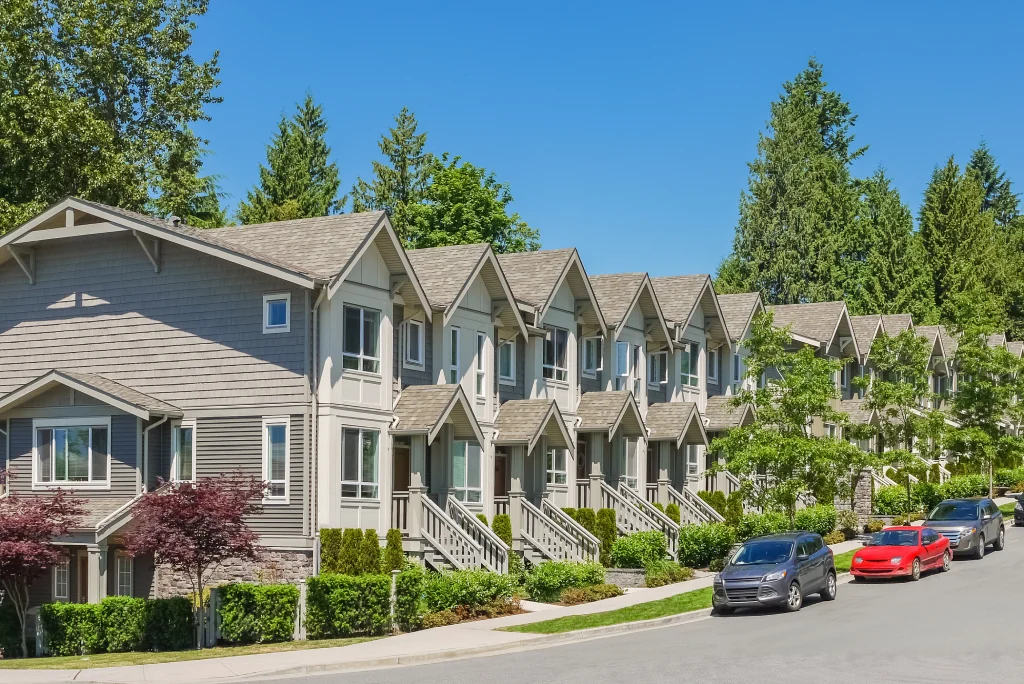
The blocks around Main Street station. Victorians, newer infill, condos and townhouses, with the shortest walk to a train and a restaurant.
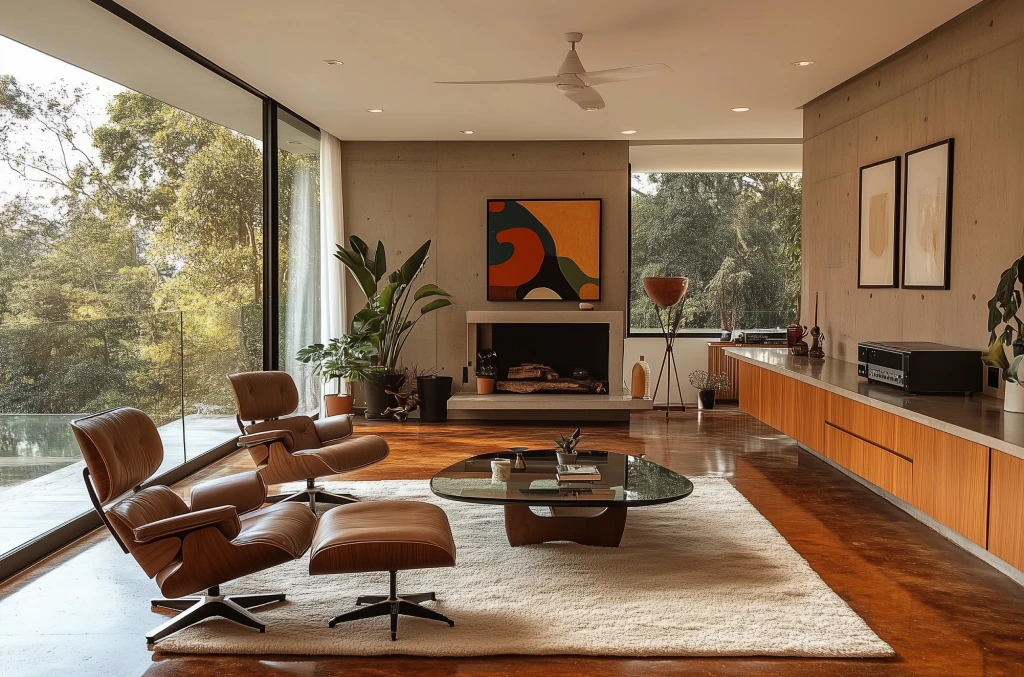
North of the tracks near Lyman Woods. Larger wooded lots, custom and mid-century homes, and the most privacy in the city.
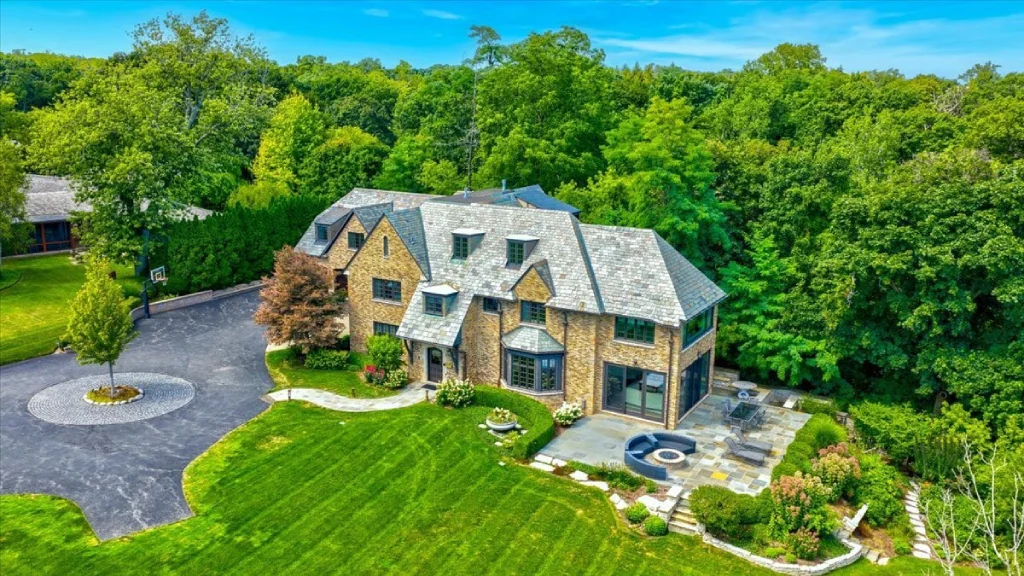
Around the two secondary stations. Postwar ranches and Cape Cods, more attainable pricing, and still a walkable commute.
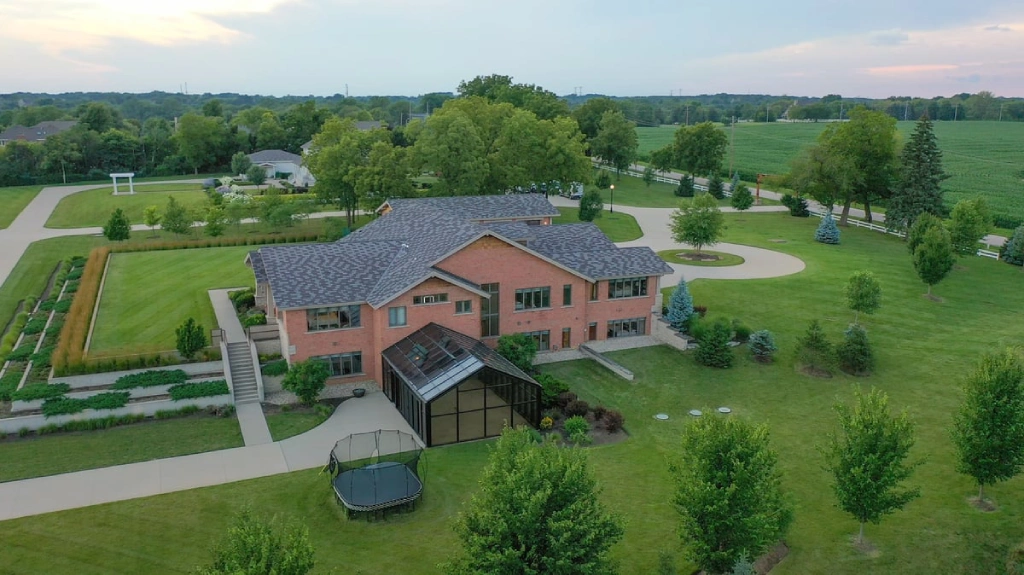
Below 63rd toward the Woodridge line. Newer subdivisions, larger square footage, and District 58 and 99 schools.
Schools & commute
One elementary district covers the city, then the high school district splits it between two campuses — North and South. Families do care which, and the boundary follows no obvious landmark. We’ll check your address.
School assignments and boundaries change. Confirm any attendance area directly with the district before you write an offer.
Serves the city through eighth grade across thirteen schools, one of the larger elementary districts in DuPage.
Part of Community High School District 99, on the north side of the city.
The second District 99 campus, serving the southern neighborhoods.
The primary downtown station, with express service into Union Station through the peaks.
Two additional BNSF stops inside the city, serving the east and west sides.
Common questions
The questions we field most from people looking at this city. Something missing? Ask us and we’ll add it.
Because it changes what you can afford. In most suburbs, walkable-to-Metra homes cluster in one expensive district. Downers Grove spreads that access across three stations, so a walkable commute is available in the more modest Fairview and Belmont neighborhoods as well as downtown.
Community High School District 99 runs Downers Grove North and South, split geographically. The boundary does not follow an obvious landmark, and families do care which one they land in, so confirm any specific address with the district before you write an offer.
From the downtown neighborhoods, yes — the Tivoli, the library, the market, restaurants and Main Street station sit within a few blocks. From the southern subdivisions it is a drive. The city is larger than its downtown suggests.
Unusually varied. Victorians and Sears kit houses near downtown, a well-known cluster of mid-century modern homes, postwar ranches through the middle of the city, and newer subdivisions to the south. Teardown rebuilds are common closer to the stations.
Generally more attainable for comparable square footage, with a larger and more varied housing stock and three stations instead of one. Those neighboring communities carry a stronger price premium and a more uniform character. Which suits you is worth a conversation rather than a comparison chart.
It is DuPage County, and rates are meaningful, though the county assesses differently than Cook. The bill varies by school district and municipal boundary within the city. We pull the actual tax bill for every property we show rather than estimating from list price.
Yes, mostly as teardown rebuilds near the stations and downtown, plus some infill in the south. New builds here command a significant premium over the older stock, and the lot often costs more than the house that is on it.